
Sudan

This forthcoming assessment examines why lasting peace in Sudan increasingly serves the strategic interests of regional and international actors. Rather than viewing the conflict solely through a humanitarian or domestic political lens, it explores how geography, shared economic interests, regional security, and international cooperation may shape future diplomatic efforts and the long-term stability of the Red Sea.
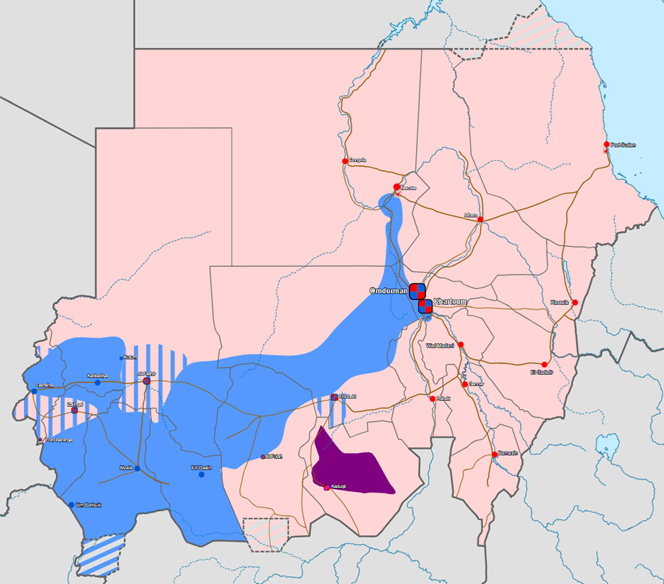
This assessment examines the strategic, political, institutional, and operational factors that prevented the Rapid Support Forces (RSF) from converting early battlefield gains into lasting strategic success. Drawing on evidence from the conflict, it explores how military capability, institutional resilience, and political legitimacy shaped the trajectory of the war and offers a broader framework for understanding modern internal conflicts.

This analysis examines how flawed strategic assumptions, institutional misjudgments, and misconceptions about military resilience contributed to widespread underestimation of the Sudanese Armed Forces during the conflict. Beyond Sudan, it offers broader insights into the risks of assessing armed conflicts through political narratives rather than institutional realities.

Scroll to Top